All Blogs

How does a Vector Database work?
A Vector Database stores data as lists of numbers and helps us find items that are similar in meaning, not just items that match exactly. It powers AI search.
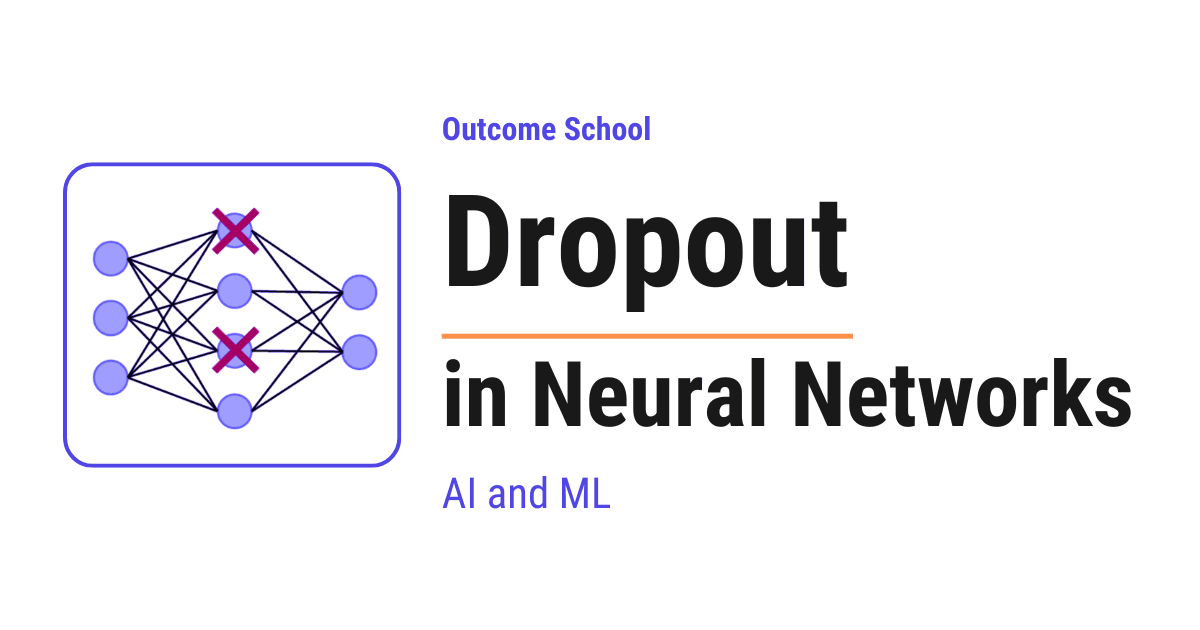
What is Dropout in Neural Networks and How Does It Work?
Dropout randomly switches off some neurons in a neural network during training, so that the network does not depend too much on any single neuron.
What are Generative Adversarial Networks (GANs) and How Do They Work?
A Generative Adversarial Network (GAN) is a system where two neural networks compete, and through this, one learns to create new data that looks real.
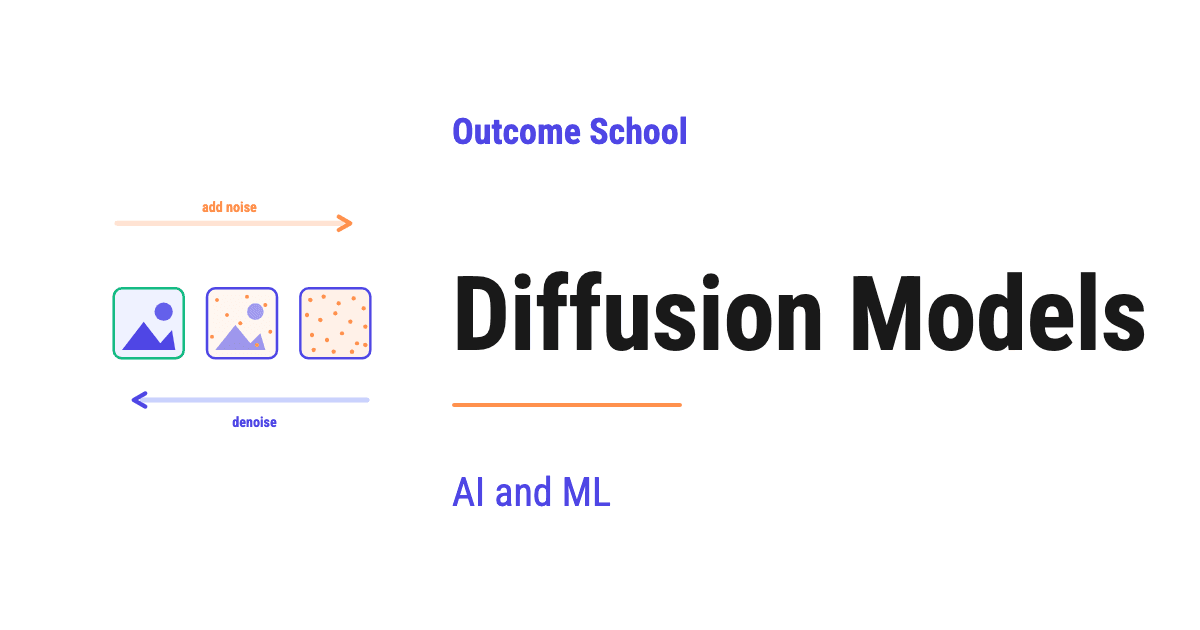
What are Diffusion Models and How Do They Generate Images?
A Diffusion Model creates new images by starting from pure random noise and cleaning it up step by step. This is how DALL-E and Stable Diffusion work.
What are Variational Autoencoders (VAEs) and How Do They Work?
A Variational Autoencoder (VAE) is an Autoencoder that learns a smooth, organized latent space, so that we can pick any point from it to generate new data.
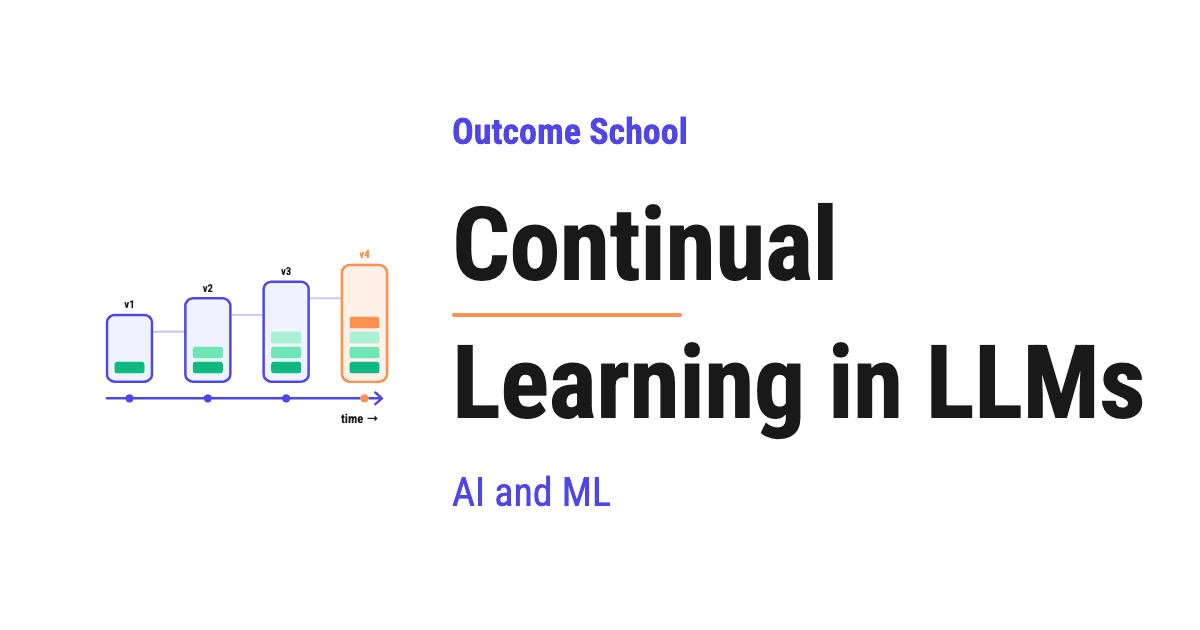
What is Continual Learning in LLMs? Solving Catastrophic Forgetting
Continual Learning is the ability of an LLM to keep learning new information over time, without forgetting what it already learned. We will see how it works.
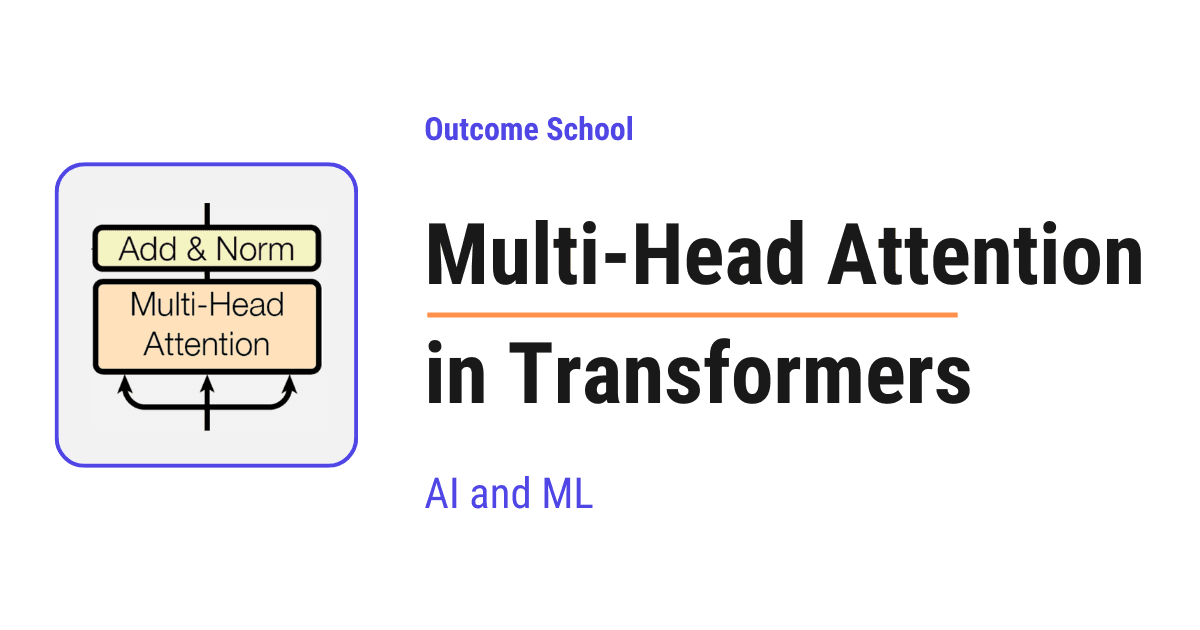
What is Multi-Head Attention in Transformers and How Does It Work?
Multi-Head Attention runs many Self Attention operations in parallel, each focusing on a different aspect of the sentence, and combines their outputs.
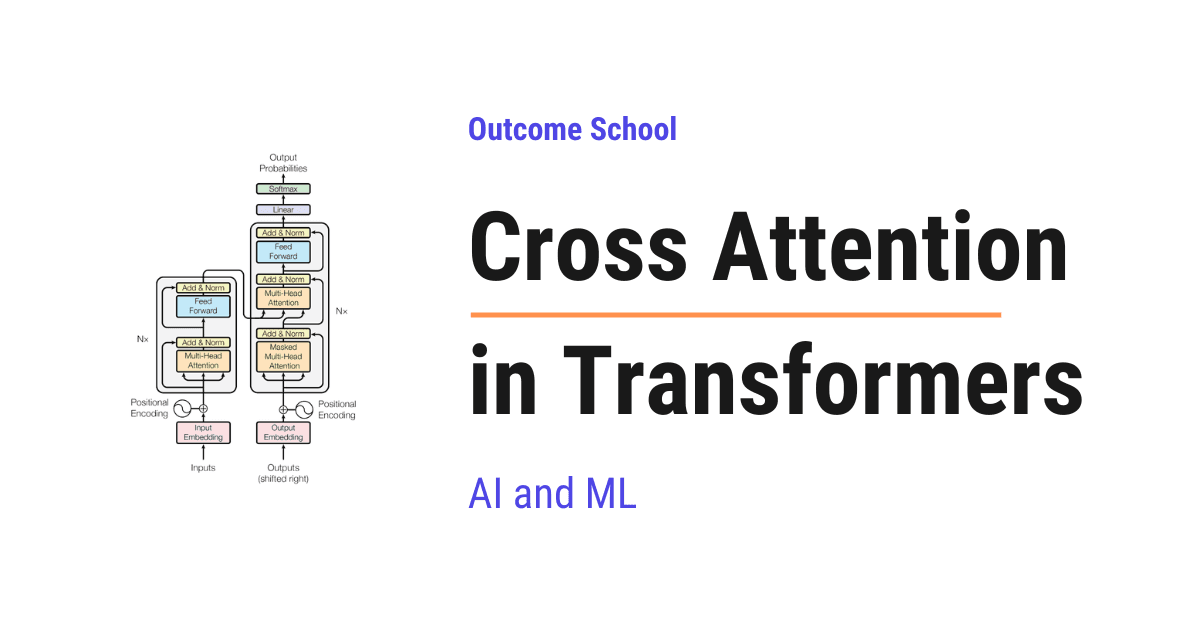
What is Cross Attention in Transformers and How Does It Work?
Cross Attention is a mechanism where one sequence looks at a different sequence, using its own Queries against the Keys and Values of the other sequence.
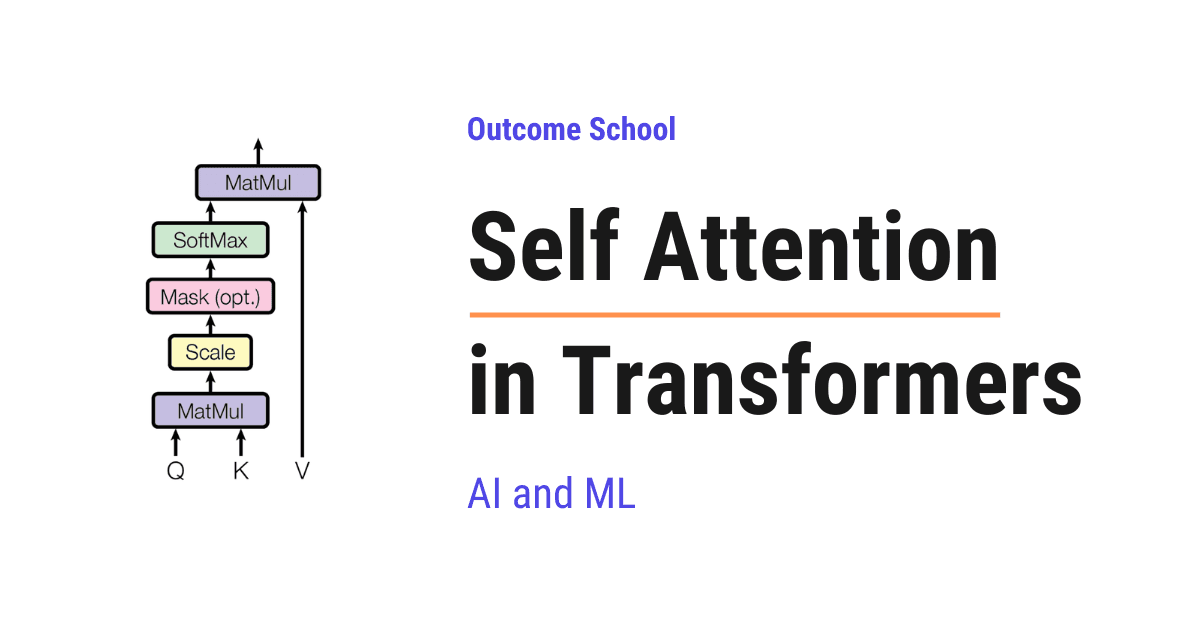
What is Self Attention in Transformers and How Does It Work?
Self Attention lets every word in a sentence look at every other word in the same sentence to understand its meaning. It is the heart of models like BERT and GPT.