All Blogs

What is Prefill-Decode Disaggregation in LLM Inference?
Prefill-Decode Disaggregation runs an LLM so that reading the prompt (prefill) and writing the answer (decode) happen on separate machines, each tuned for its job.
What is KV Cache Compression?
KV Cache Compression is a set of techniques that shrink the memory an LLM uses to remember the conversation, using quantization, token eviction, and more.
How to Chunk Documents for RAG? Chunking Strategies Explained
Chunking for RAG means cutting a big document into smaller pieces so that the AI can find the right piece at the right time. We will learn the best strategies.
What is Vectorless RAG? RAG Without Embeddings or a Vector Database
Vectorless RAG answers questions from our documents without embeddings or a vector database. The LLM reads the document structure and decides which part to open.
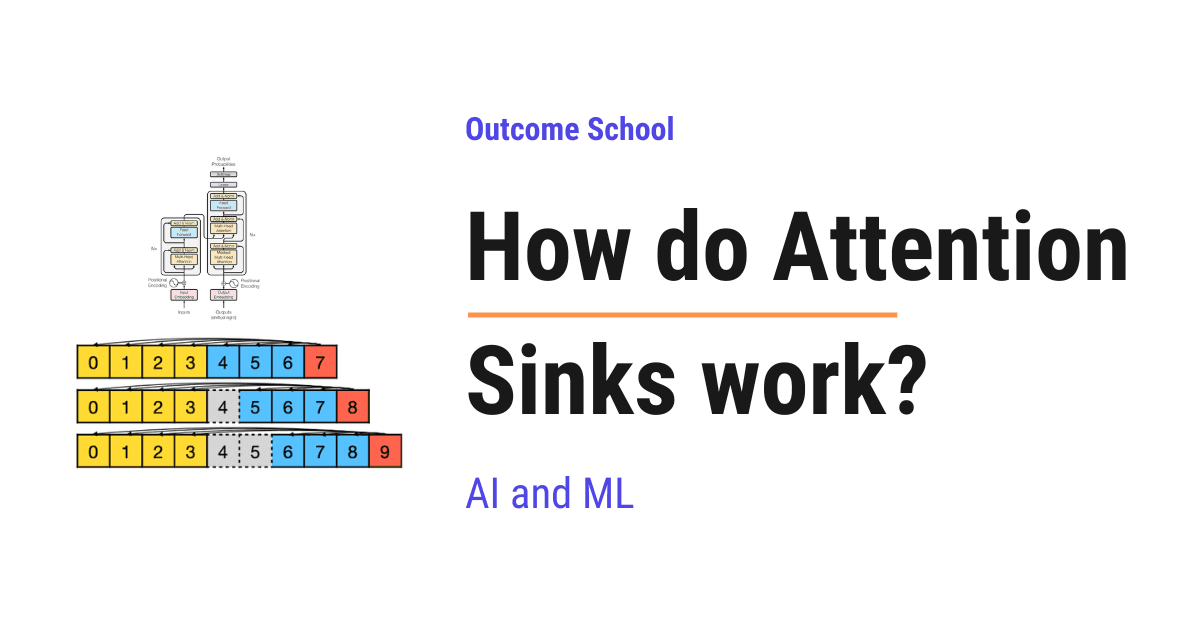
How do Attention Sinks work?
Attention sinks are the first few tokens that get a huge share of attention in an LLM. Keeping them lets StreamingLLM handle very long conversations without breaking.
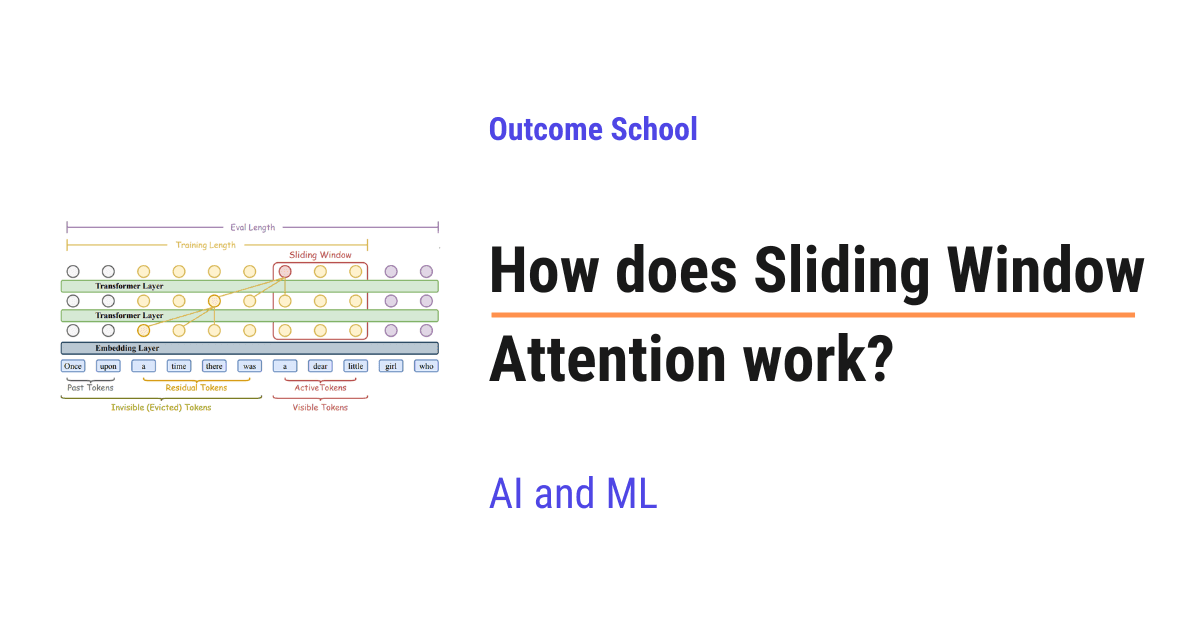
How does Sliding Window Attention work?
In Sliding Window Attention, each word looks only at a fixed number of nearby words instead of all the words, which makes attention fast for long text.
How does TensorRT-LLM work?
TensorRT-LLM is an open-source library from NVIDIA that makes LLMs run as fast as possible on NVIDIA GPUs by preparing the model ahead of time.
How does an LPU work?
An LPU (Language Processing Unit) is a chip built for one job, running a trained LLM and producing text as fast as possible, by keeping the model on the chip.
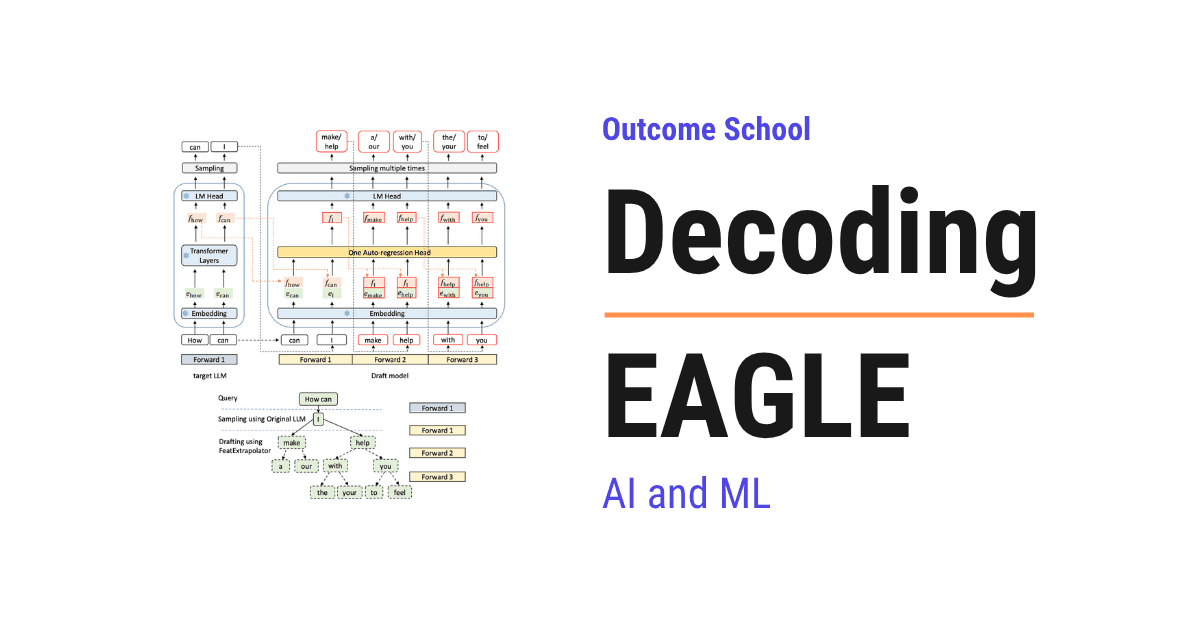
What is EAGLE? Feature-Level Speculative Decoding Explained
EAGLE is a speculative decoding method that makes an LLM generate text faster, without changing its output, by guessing future tokens at the feature level.