All Blogs

What is Vectorless RAG? RAG Without Embeddings or a Vector Database
Vectorless RAG answers questions from our documents without embeddings or a vector database. The LLM reads the document structure and decides which part to open.
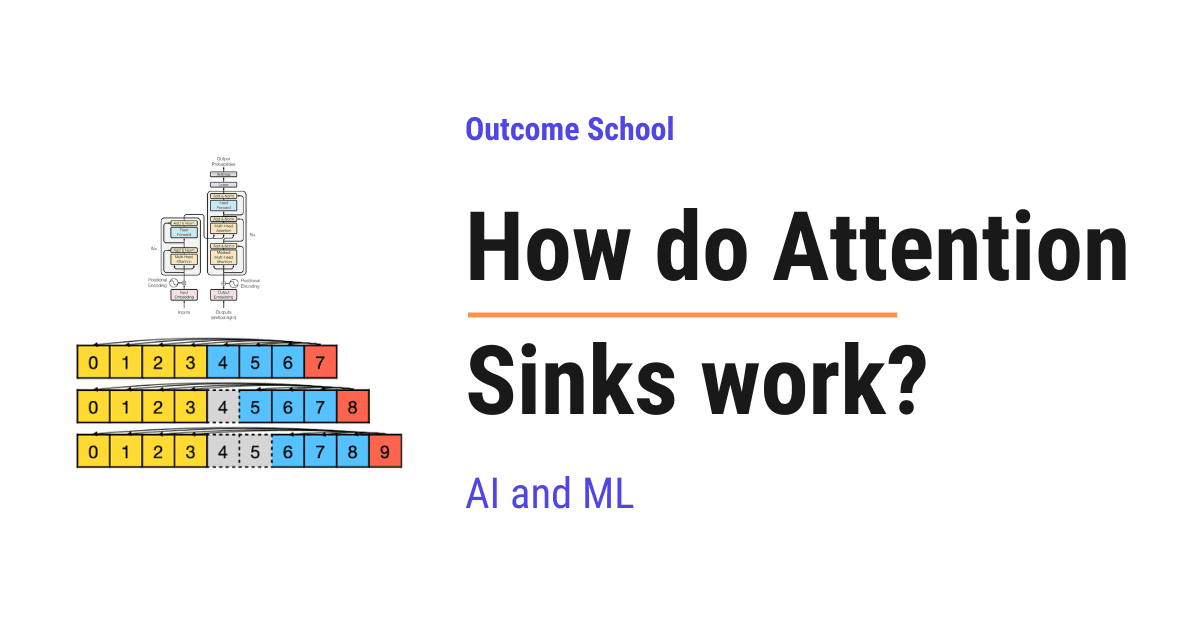
How do Attention Sinks work?
Attention sinks are the first few tokens that get a huge share of attention in an LLM. Keeping them lets StreamingLLM handle very long conversations without breaking.
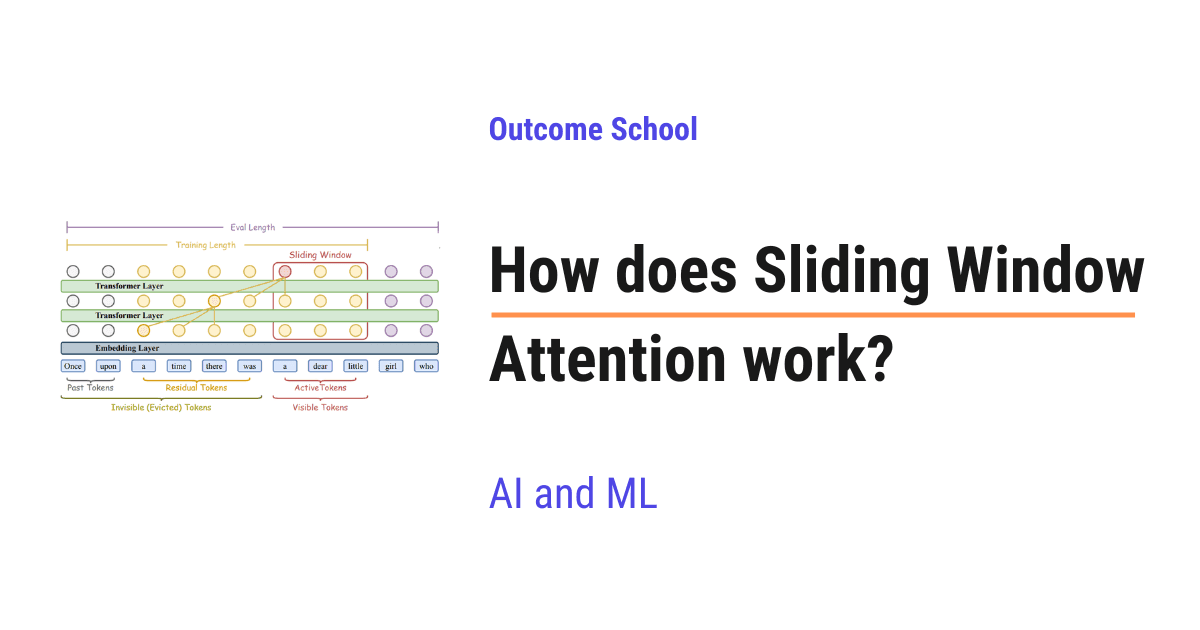
How does Sliding Window Attention work?
In Sliding Window Attention, each word looks only at a fixed number of nearby words instead of all the words, which makes attention fast for long text.
How does TensorRT-LLM work?
TensorRT-LLM is an open-source library from NVIDIA that makes LLMs run as fast as possible on NVIDIA GPUs by preparing the model ahead of time.
How does an LPU work?
An LPU (Language Processing Unit) is a chip built for one job, running a trained LLM and producing text as fast as possible, by keeping the model on the chip.
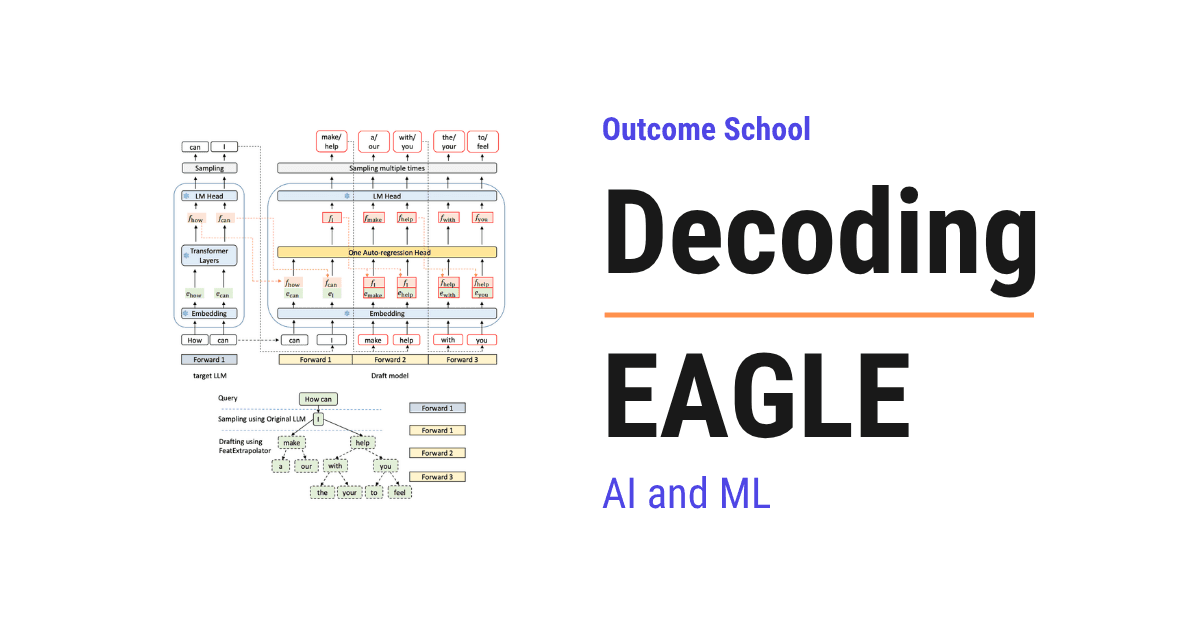
What is EAGLE? Feature-Level Speculative Decoding Explained
EAGLE is a speculative decoding method that makes an LLM generate text faster, without changing its output, by guessing future tokens at the feature level.
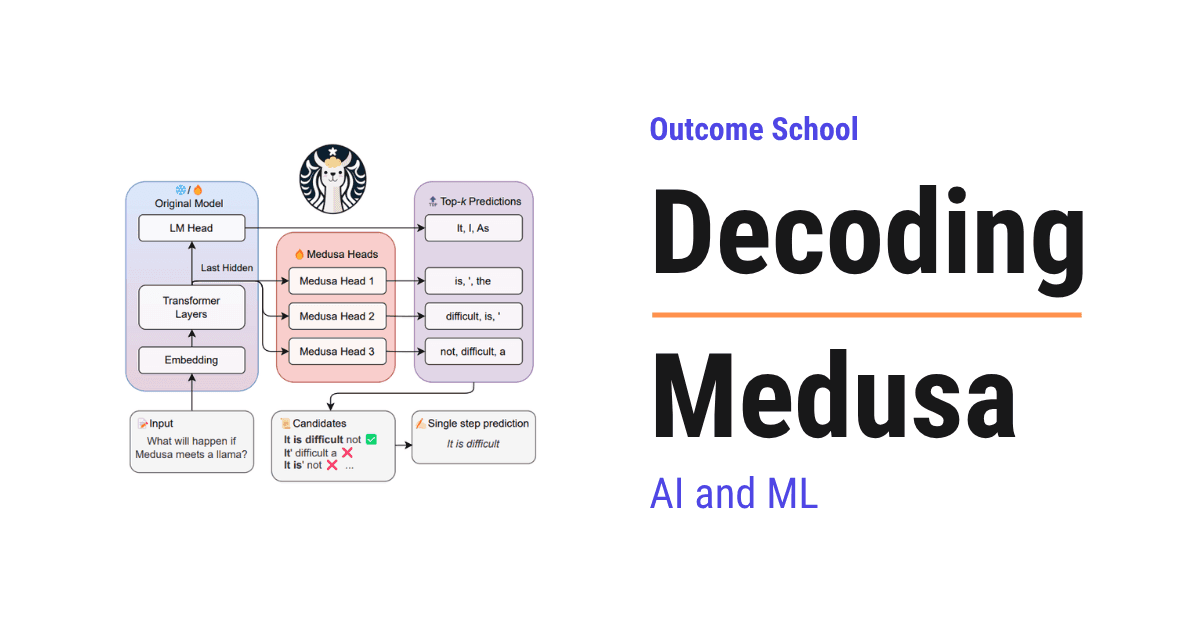
What is Medusa? Multi-Head Speculative Decoding Explained
Medusa makes an LLM generate text 2 to 3 times faster by adding extra heads that guess several future tokens at once, and then checking them together.
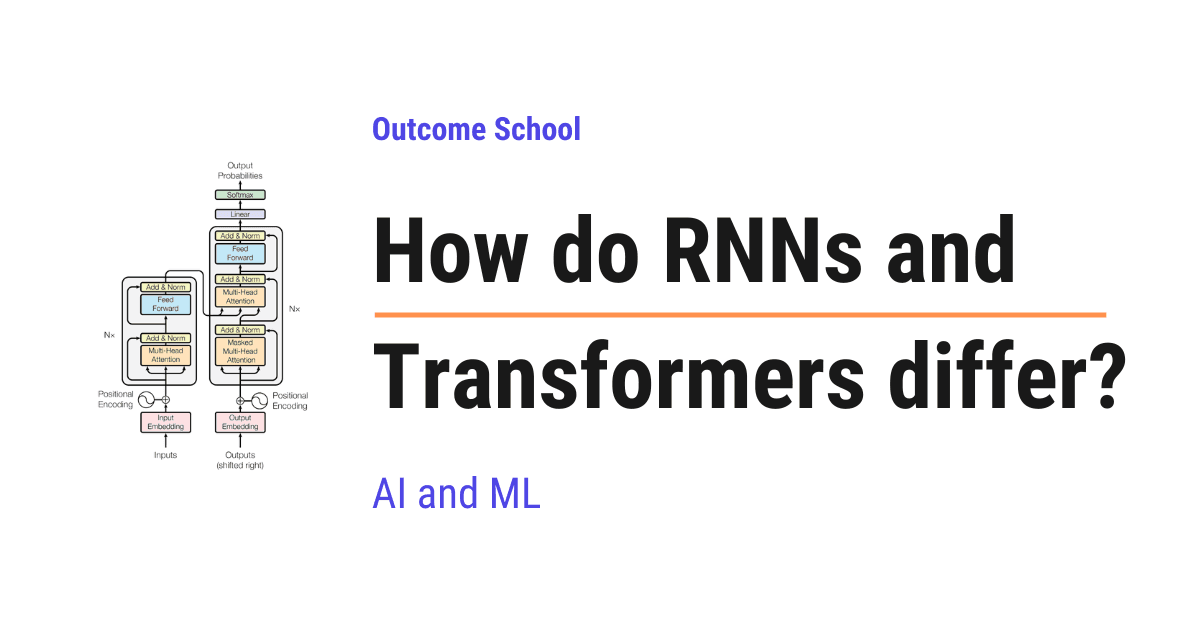
How do RNNs and Transformers differ?
An RNN reads a sentence one word at a time, carrying a memory, whereas a Transformer reads all the words at once and uses attention to connect them directly.

AI Is Only as Good as Our Definition of Done
AI does its best work when we can clearly check if a task is done, and it struggles when only a human can judge it. That check is our definition of done.