All Blogs

How Does The Machine Learning Library TensorFlow Work?
TensorFlow works by letting us build a data flow graph of constants, variables, and operations, and then executing that graph on CPUs or GPUs.
What Are L1 and L2 Loss Functions?
L1 Loss (Least Absolute Deviations) and L2 Loss (Least Square Errors) are loss functions in machine learning. L1 handles outliers better than L2.
What is Machine Learning?
Machine Learning is a field of computer science that gives computers the ability to learn from data without being explicitly programmed.
What is a Recurrent Neural Network (RNN)?
A Recurrent Neural Network (RNN) is a neural network that remembers context from the earlier inputs in a sequence, which helps it predict the right output.
What is Regularization in Machine Learning? L1 vs L2 Explained
Regularization reduces overfitting by adding a penalty to the error. L1 (Lasso) adds the sum of absolute weights, and L2 (Ridge) adds the sum of squared weights.
What is Reinforcement Learning?
Reinforcement Learning is a type of machine learning where an agent learns to make decisions by interacting with an environment and getting rewards or penalties.
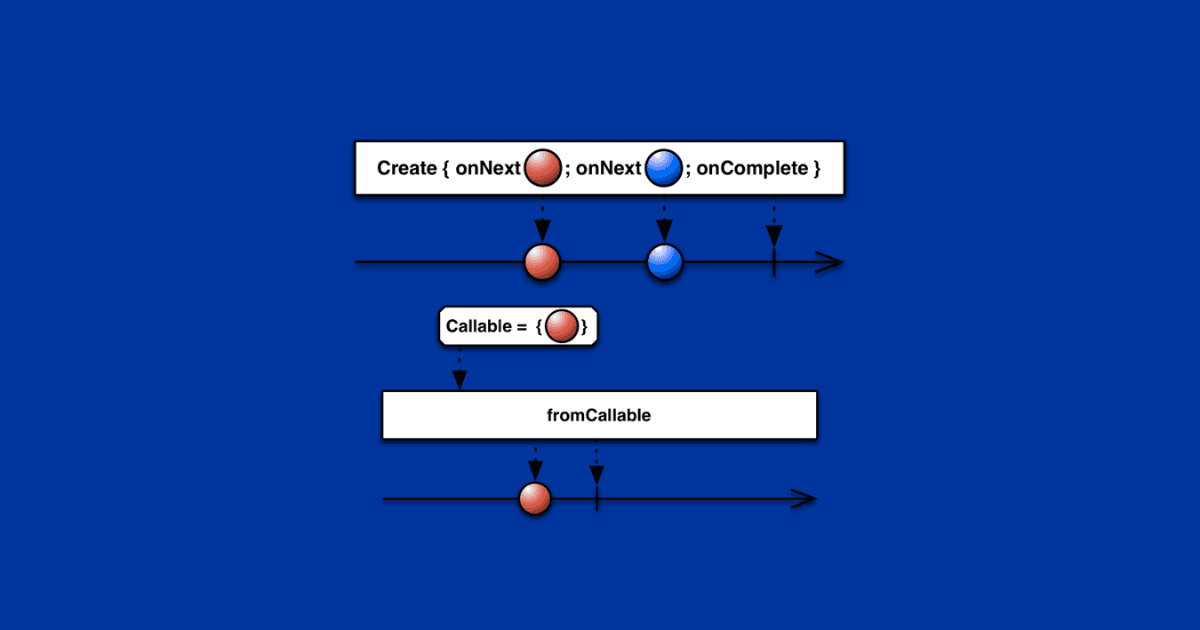
RxJava Create and fromCallable Operator
The Create operator of RxJava can emit many values one by one and then complete, whereas fromCallable emits only one item. Let's learn when to use which one.
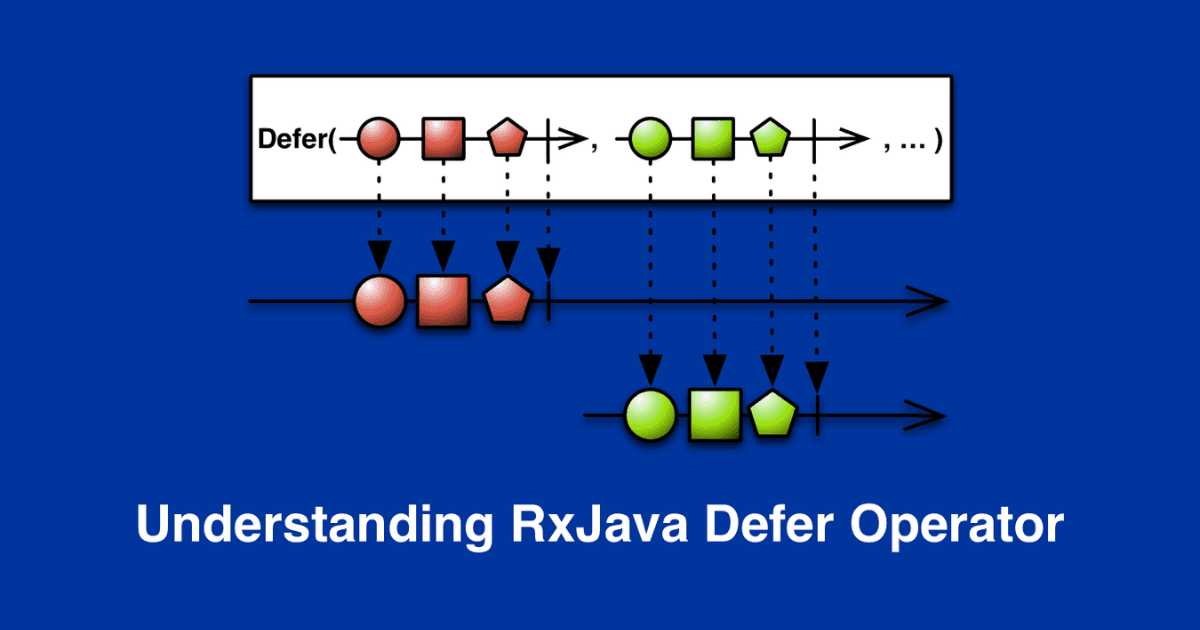
RxJava Defer Operator
The Defer operator of RxJava does not create the Observable until an observer subscribes, and it creates a fresh Observable for each observer.
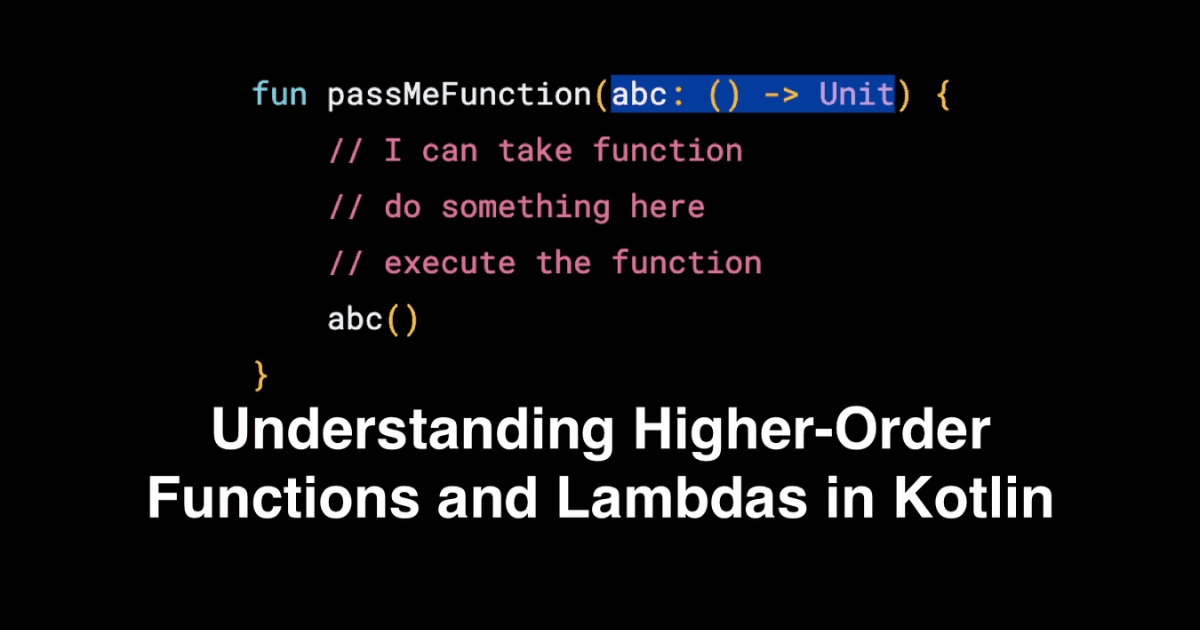
Higher-Order Functions and Lambdas in Kotlin
A lambda in Kotlin is an anonymous function that we can treat as a value. A higher-order function is a function that takes a function as a parameter or returns one.