All Blogs

How do LLM guardrails work?
LLM guardrails are safety checks that sit around an LLM to control what goes in and what comes out, and they stop dangerous or unwanted answers.
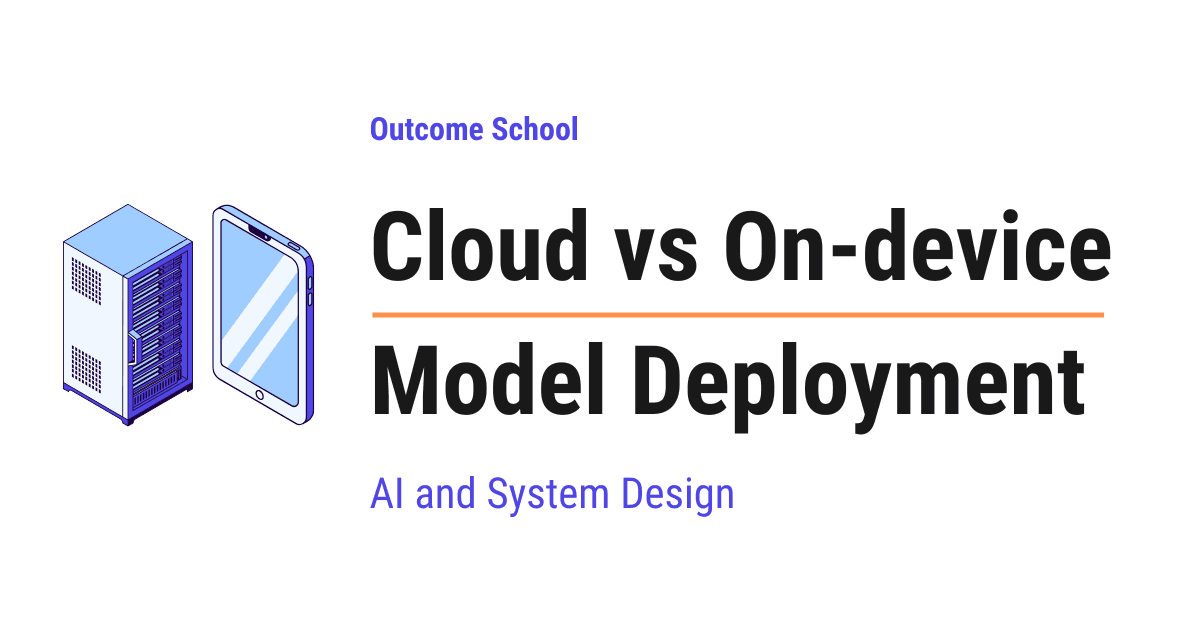
Cloud vs On-device Model Deployment
In Cloud Deployment, the AI model runs on a server and the device asks it over the internet. In On-device Deployment, the model runs inside the device itself.
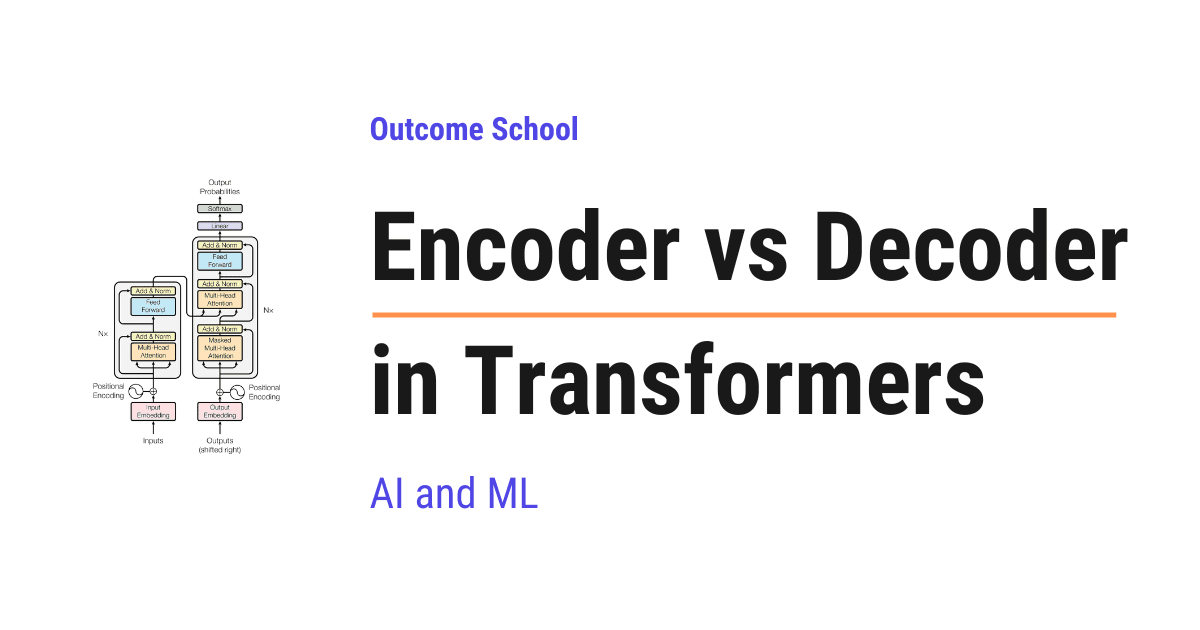
Encoder vs Decoder in Transformers
In Transformers, the Encoder reads the whole input in both directions to understand it, whereas the Decoder generates the output one token at a time.
What is Generative AI?
Generative AI is a type of AI that can create new things, like text, images, audio, video, and code. We will learn how it learns and creates something new.
What is Prompt Injection in LLMs and How Do We Defend Against It?
Prompt Injection is an attack where someone slips their own instructions into the text sent to an LLM, so that it follows the attacker instead of the developer.
Precision vs Recall
Precision tells us how many of the items we flagged were actually correct, whereas Recall tells us how many of all the real items we actually caught.
What are Embeddings?
An embedding is a list of numbers that represents the meaning of something, so that things with similar meaning get similar numbers. It powers AI search.
What are Agent Skills?
An Agent Skill is a folder of instructions, and optionally scripts, that an AI agent loads by itself only when the task needs it. Let's see how Skills work.
What is MCP (Model Context Protocol)?
MCP (Model Context Protocol) is an open standard that defines one common way for AI applications to connect to outside tools and data. It was created by Anthropic.